

Start here
Hunting Ethics
“One bad hit on a whitetail deer led me on a quest to improve my skills and knowledge in hunting. I owe it to the animals I hunt to educate myself fully.” — Joe Koenig, founder
We owe the animal a clean kill
Every time we head out, we’re asking to take a life, and that comes with real responsibility. The goal is a quick, humane, one-shot kill, and that only happens when we take shots we know we can make. Hunter education pledges say it simply: take only the shots that permit a clean kill, and make full use of the game you take.

Know your limits
Your effective range isn’t the farthest your rifle or bow can reach. It’s the distance where you can put every shot in the vital zone under real conditions. Practice at realistic distances from the positions you’ll actually hunt from, whether sitting, kneeling or in a treestand. Make sure your gear suits the animal, then stay inside the range you’ve proven, even when a good one stands just past it.
Pass on the bad shot
Some of the best hunting decisions end with the shot never taken. If the animal is quartering hard toward you, facing away, partly behind brush, moving or past your range, let it walk. Before every shot ask: Is it legal? Is it safe? Is it ethical? A passed shot means another chance later. A bad hit means the animal pays for our impatience.
Recover every animal
Once the shot is gone, the job becomes finding that animal. Wait before you track so you don’t push a wounded animal out of reach. Mark the blood trail, go slowly, and don’t quit when it thins out. Call friends for a grid search if you need to. Many states allow leashed blood-tracking dogs, which can find animals people miss, but the rules vary, so check yours first.
After the Shot
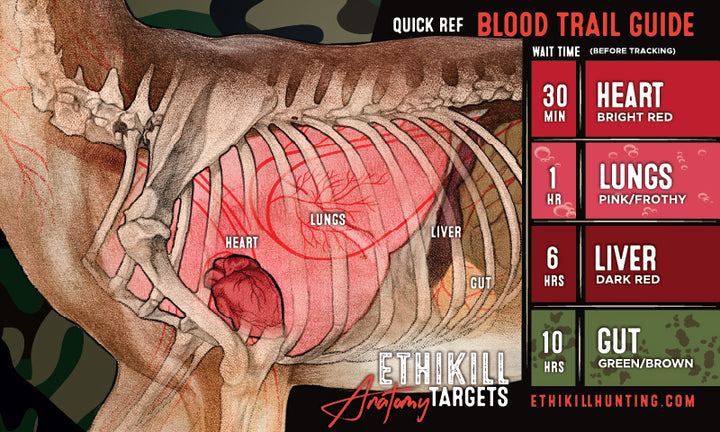
Pink, frothy blood suggests lungs. Dark red can mean liver or muscle. Green or brown matter with a bad smell points to the gut. Follow the trail one spot at a time, mark it with flagging, and get help if it thins out.

Fair chase and the law
Fair chase means pursuing free-ranging game without an improper or unfair advantage. It’s about self-restraint and skill, not just what’s legal. The law still matters: buy the right licenses, hunt only in season, follow weapon and shooting-hour rules, and tag and report your animal the way your state requires. Rules change and vary by state, so read your state wildlife agency’s current regulations every year.
Respect
Respect the animal by making a good shot and using what you take. Respect landowners by asking permission and caring for their property. Respect other hunters by giving them room. And remember non-hunters are watching: cover harvested game when you travel, keep photos tasteful, and be friendly. Hunting is judged by how all of us behave.
Teaching the next generation
Most of us learned from someone patient enough to take us along. Pass that on. Hunter education courses, offered through every state’s wildlife agency and taught largely by volunteer instructors, cover safety, ethics, wildlife and the law. Bring a new hunter along, sign them up for a class, and show them by example what good hunting looks like.

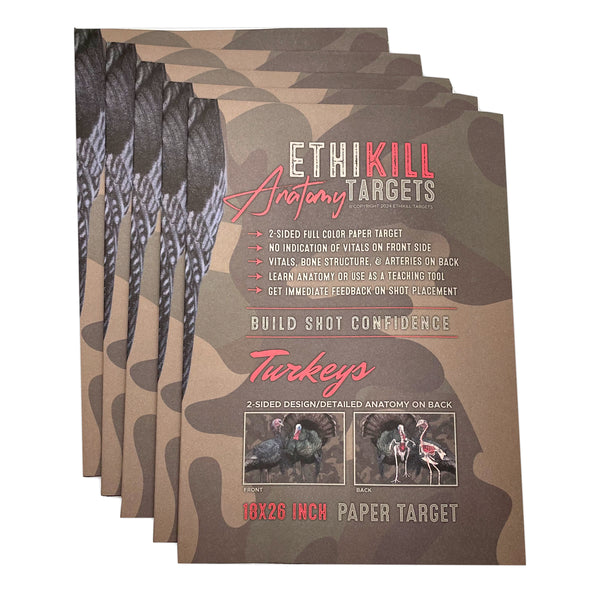
Train like it matters
Practice on a target that makes you think through the shot, then check your work on the back.