

Start here
Shot Placement and Anatomy
The rules that hold for almost every big game animal: where the vitals sit, what each hit means, which angles to take and which to pass.
The vital zone
The heart and lungs are the target on nearly every big game animal. A hit there causes fast blood loss and the quickest, most humane kill. The lungs are the largest vital organ and give you the most room for error, and the heart sits low between them.
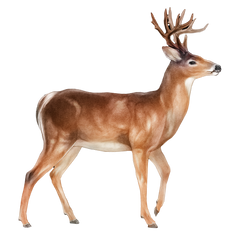
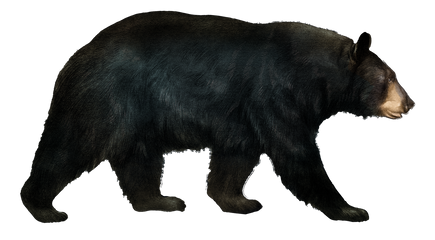
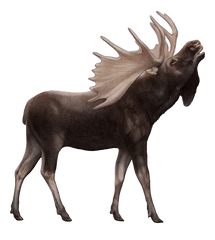
On a broadside animal, aim tight behind the near front shoulder, about one-third of the way up from the bottom of the chest. Aiming low and tight covers both lungs and the heart, keeps you off the heavy shoulder bone, and leaves some margin if the animal drops at the sound of the shot.

What else is in there
- Liver: sits just behind the lungs. A liver hit is fatal but slower, and the animal can go a long way, so it calls for a longer wait.
- Spine: a small, risky target. A direct hit can drop an animal on the spot, but a slight miss means a wounded animal. Don’t aim for it.
- Shoulder bone: heavy on big animals. Bullets need to be built to break it; arrows rarely get through it.
- Paunch (stomach and intestines): a gut-shot animal suffers longer and can travel far. It needs the longest wait and the slowest, most careful track.

Shot angles
Each view below is from above. The arrow is your shot, coming from the bottom, and the red zone is the heart and lungs. The angle of the animal decides whether the vitals are open, partly blocked by bone, or out of reach.
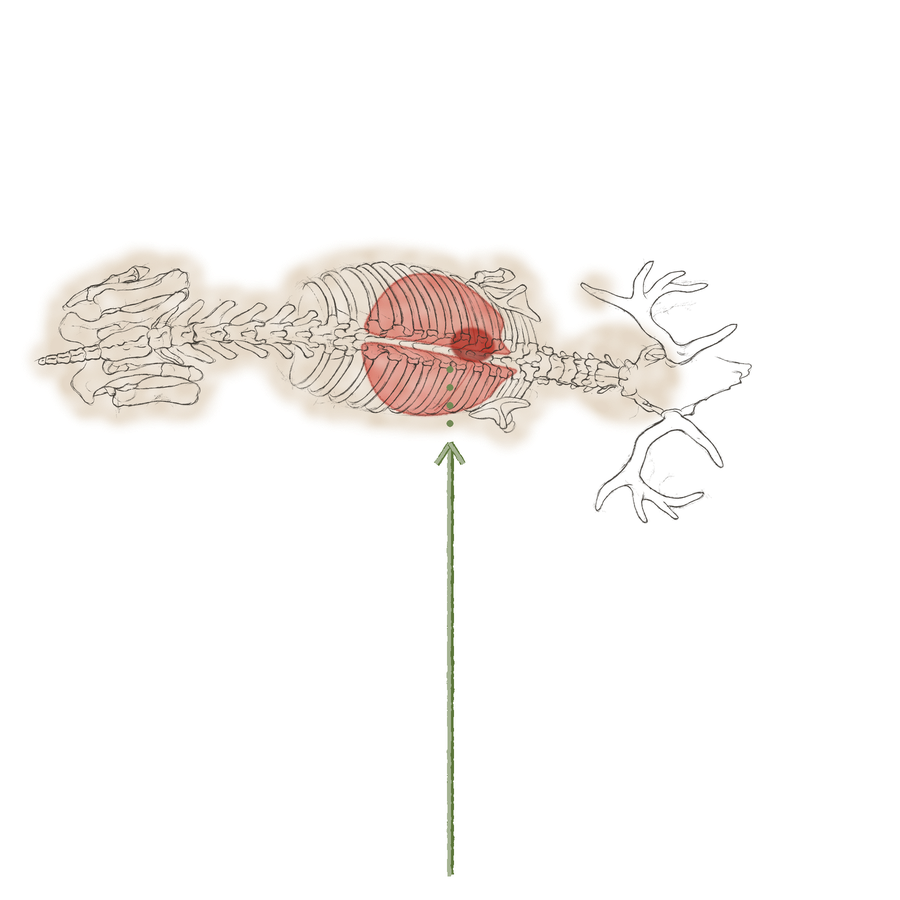
Broadside
Bow and rifleThe biggest window into the heart and lungs.
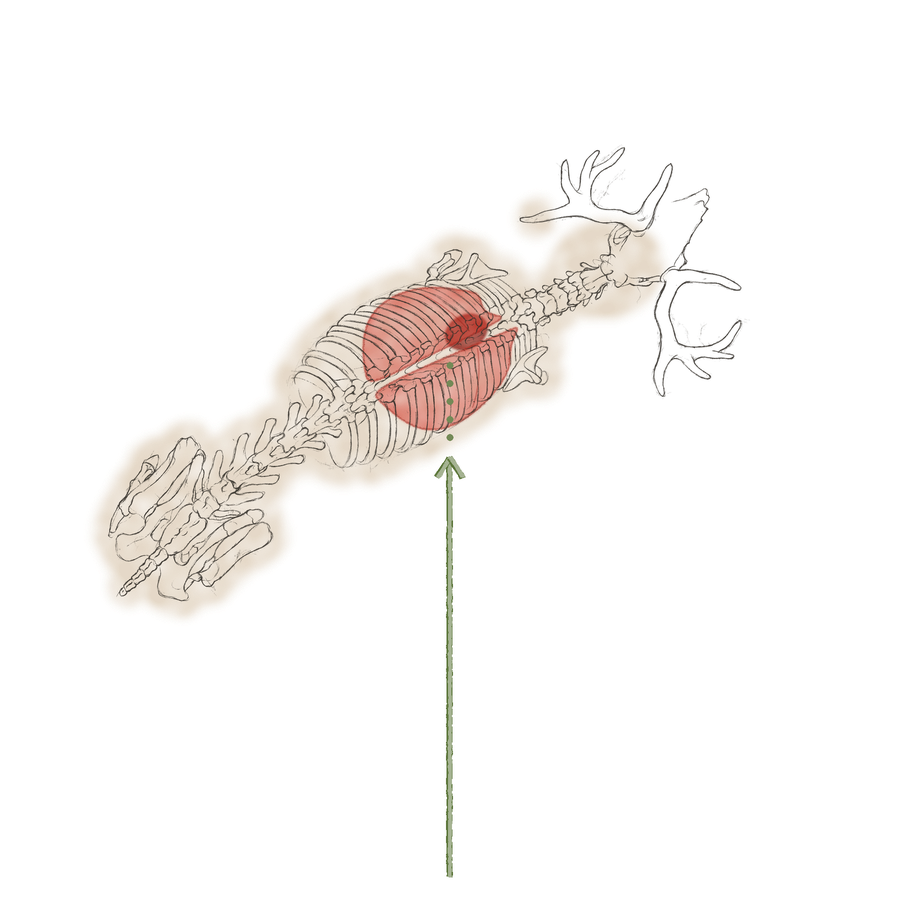
Quartering away
Bow and rifleAngle the shot toward the far-side front leg. Bowhunters on very large animals should avoid steep angles.
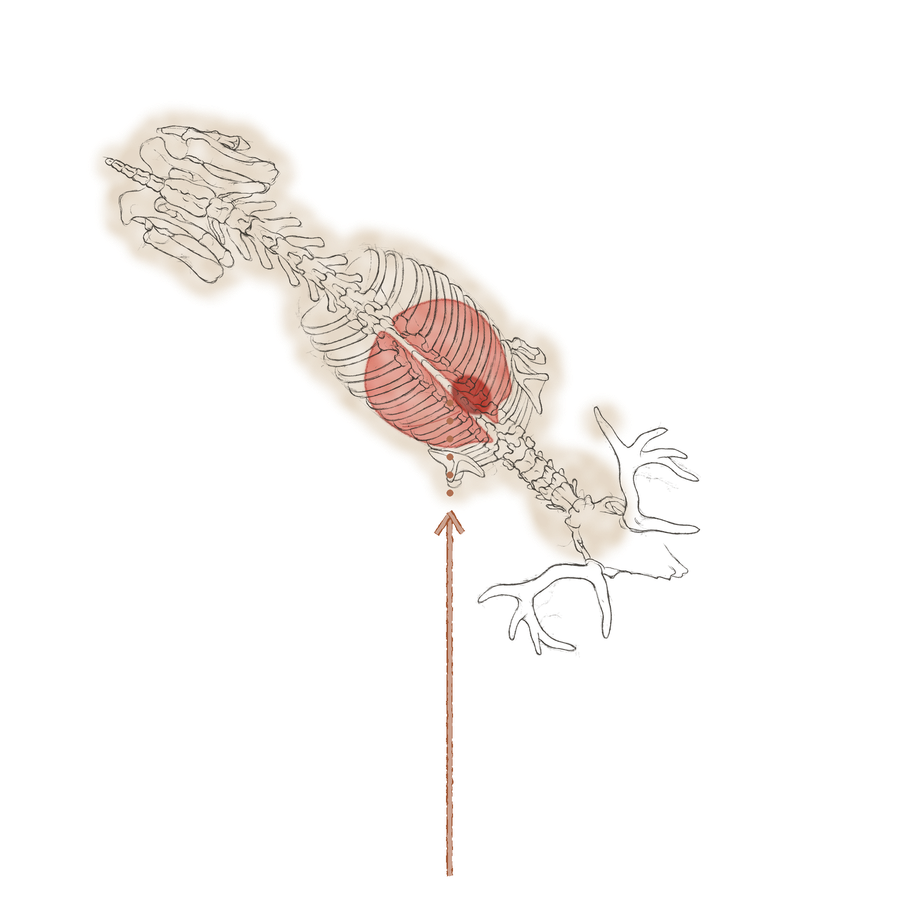
Quartering toward
Hunter’s DiscretionThe shoulder blocks much of the chest. Experienced rifle shooters and bowhunters only.
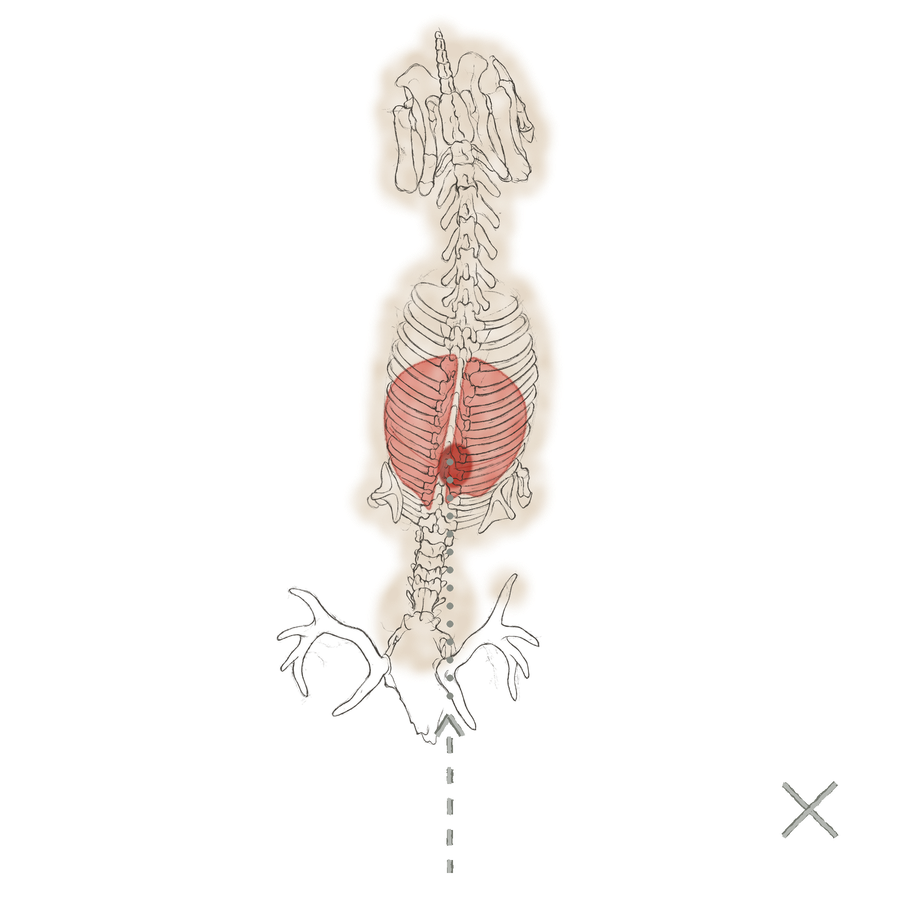
Straight on
Hunter’s DiscretionA small target behind heavy bone. Close range and experienced shooters only.
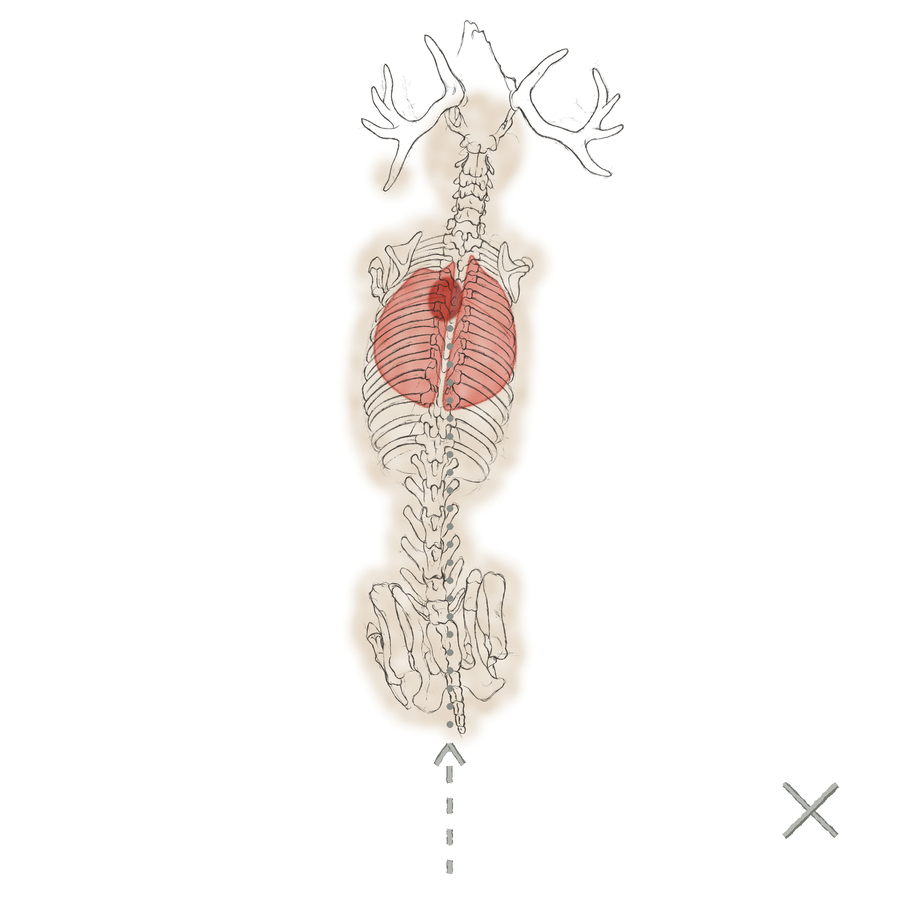
Straight away
PassWe choose to pass on this shot at EthiKill.
Elevated shots
From a treestand, the arrow or bullet travels downward, so it exits lower on the far side than where it went in. The higher you sit and the closer the animal, the steeper that angle. The spine and shoulder start shielding more of the vitals, and a steep shot may catch only one lung.
Picture the path through both lungs and pick an entry point that lets the shot exit low on the far side. That usually means holding a little higher on the near side than you would from the ground. Bend at the waist instead of dropping your bow arm, and practice from real stand heights.

After the shot
Watch the animal’s reaction and where you last saw it. A hunched-up animal may be hit too far back. Mark where you shot from and where it stood, then stay quiet. As general guidance, not hard rules:
- Heart: about 30 minutes
- Lungs: about 1 hour
- Liver: about 6 hours
- Gut: about 10 hours
Pink, frothy blood suggests lungs. Dark red can mean liver or muscle. Green or brown matter with a bad smell points to the gut. Follow the trail one spot at a time, mark it with flagging, and get help if it thins out.


Practice it before you hunt it
The 2-sided EthiKill target hides the vitals on the front, so you have to picture them. Flip it over to see exactly where your shots landed.